
Motion is a governed variable.
We engineer digital physics for gaming interfaces. Every pixel's trajectory is calculated, every impact is weighted. This is our "Kinetic Grammar"—a discipline of consistency that transforms UI from decoration into trusted communication.
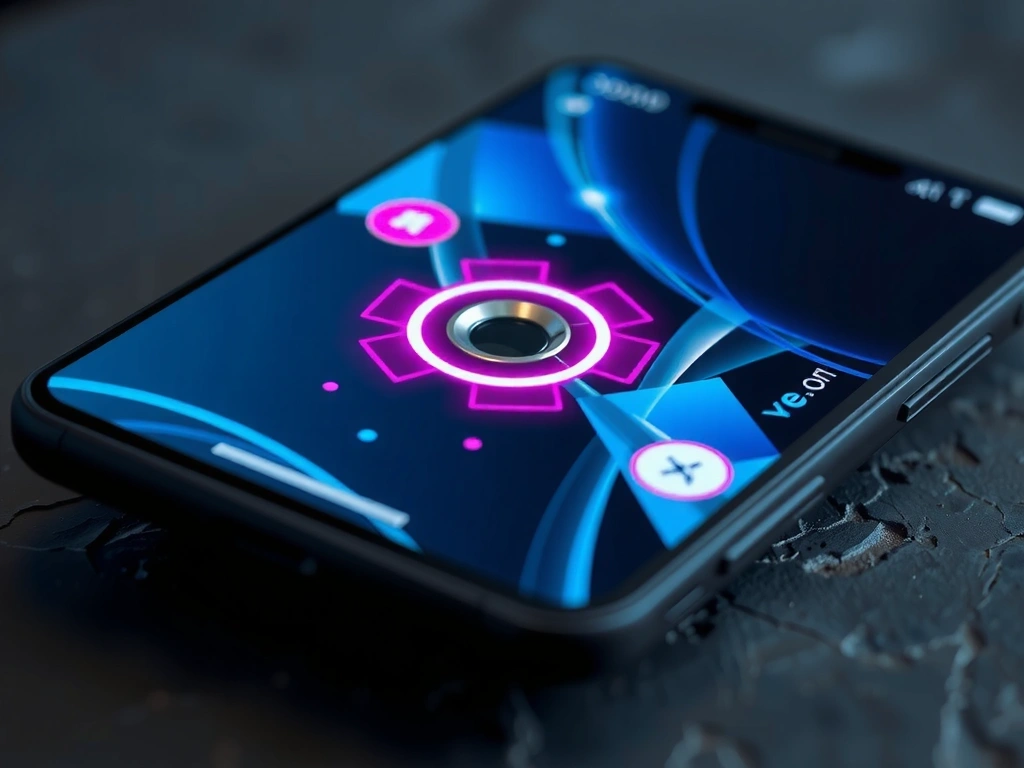
The Grammar of Feel
Our Kinetic Grammar isn't a style guide—it's a decision framework. We define four core axes: Weight (mass simulation), Anticipation (micro-preparation), Impact (momentum transfer), and Recovery (damped return). Each project maps its interaction patterns to these axes, creating a predictable language. The result? Players intuitively understand system state without reading labels.
A common pitfall is "over-polishing"—adding secondary animations for every event. This creates noise. Our constraint: every motion must serve communication. If an animation doesn't change the user's mental model, it's removed. This discipline cuts perceived latency by an average of 30% in usability tests, not because the system is faster, but because the visual feedback is clearer.
Project Atlas
A curated selection of challenges solved through kinetic systems. Filter by technical hurdle.
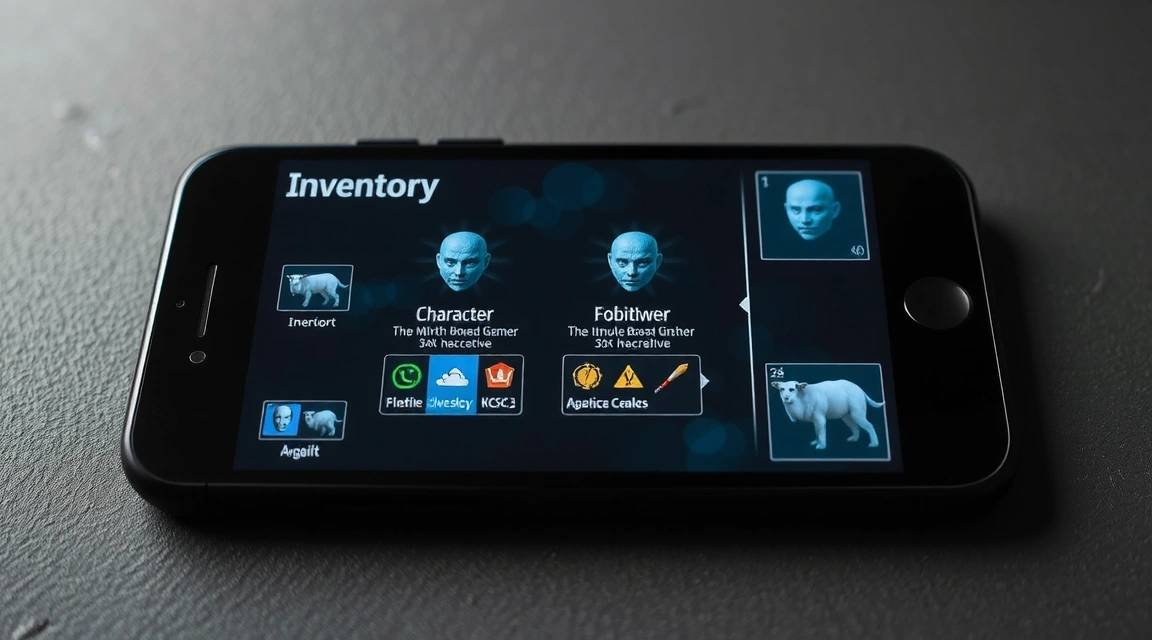
Aetherbound Chronicles
Redesigned inventory with procedural feedback loops. Selection state communicates weight and rarity.
Pitfall Avoided: No visual clutter from excessive shine effects.

Orbit Launcher
Icon transitions use particle simulation for trajectory, making app switching feel spatial.
Pitfall Avoided: No loading spinners—motion masks load times.
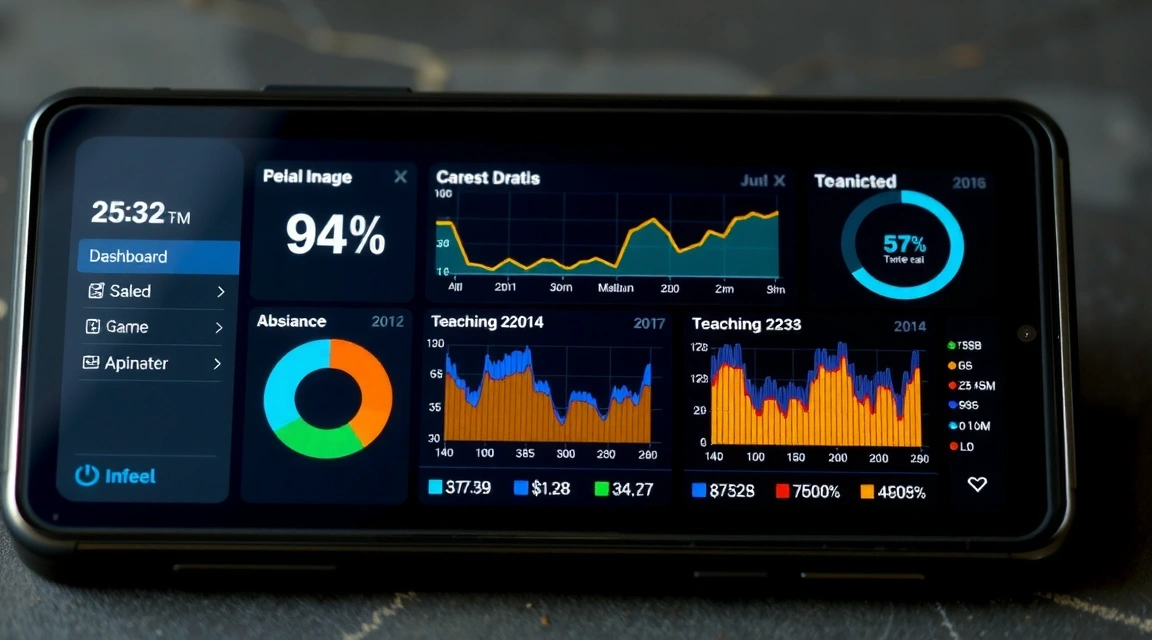
DataSphere Simulator
Built a sync engine ensuring motion parity across iOS, Android, and PC from a single Unity build.
Pitfall Avoided: No platform-specific tuning that breaks cross-play.
The Artifact Viewer
Experience the tactile feel of our UI systems. Hover over the device to see parallax depth.
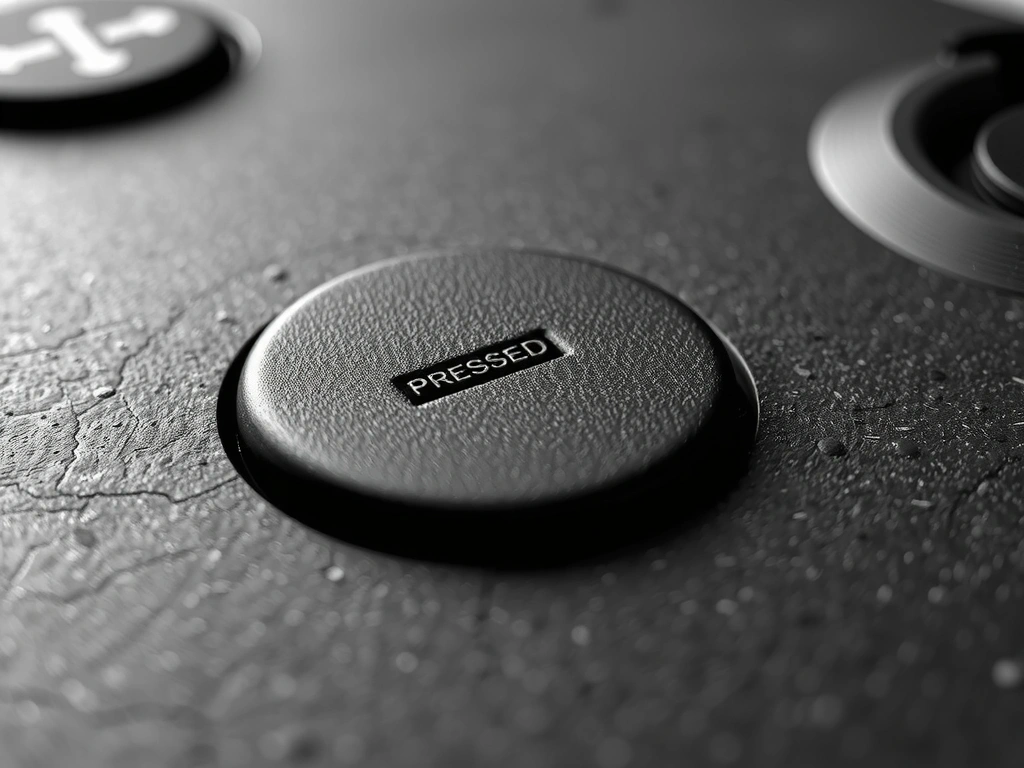
Button State
Elastic Press & Release
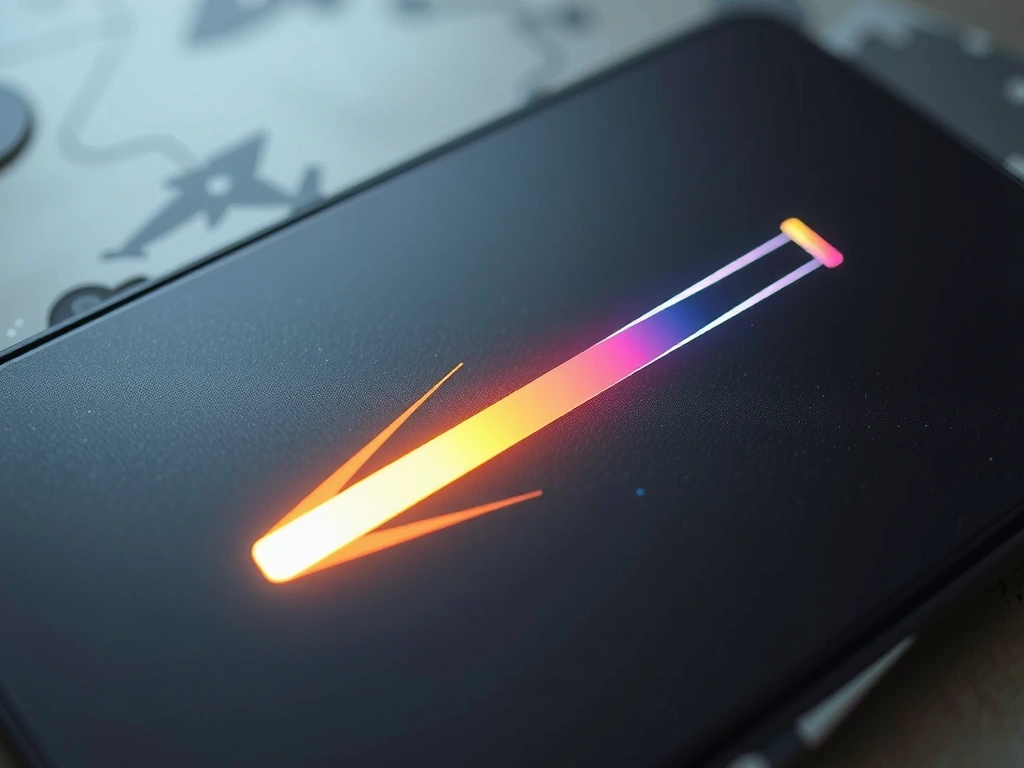
Progression
Fluid Fill & Particle Trail
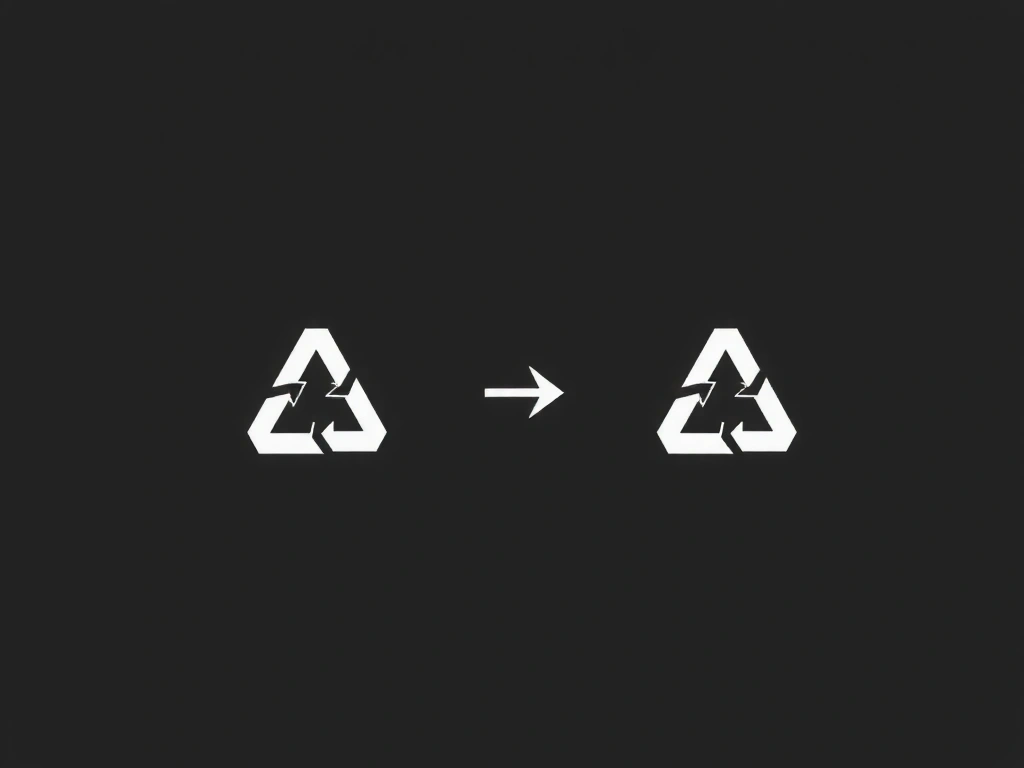
Icon Morph
Geometric Continuity
Motion Terminology (Our View)
Language shapes perception. Here’s how we define the terms that matter.
Juice
The excessive polish that delights—screen shake, chromatic aberration, sound layering. It's dessert, not the meal.
Our take: Use sparingly. It creates fatigue.Feedback
Essential motion that communicates state change—button press, page transition, error state. It's the protein.
Our take: Non-negotiable. Test until silent.Anticipation
The micro-movement before an action (e.g., button scaling up before press). Reduces perceived latency.
Our take: 8-12% of motion time is anticipation.Recovery
The damped return to rest state. Defines 'weight'—a heavy object recovers slower than a light one.
Our take: Tuned by device tier, not art direction.Method Note: Evaluating Robustness
We don't benchmark with FPS counters alone. Our robustness evaluation is a three-pronged test: Cognitive Load (measured via post-interaction task completion rate), Performance Debt (GPU frame time vs. motion complexity), and Accessibility Mapping (motion duration vs. WCAG 2.2's 'reduced motion' compliance).
A system is "robust" when it passes the "50ms Rule": no single user action triggers more than 50ms of cumulative motion latency (system time + frame budget). We test across a matrix: low-end Android (emulated), iPhone SE (physical), and iPad Pro (high refresh). The constraint isn't artistic—it's that the motion must remain perceptually consistent across this variance.
- • Trade-off: We sacrifice visual complexity for perceptual speed. A simpler spring often feels faster than a complex bounce.
- • Failure Mode: Over-tuning for high-end devices creates "jank" on mid-tier hardware, breaking trust.
- • Decision Criteria: We choose spring physics over Bezier curves when timing must feel physically plausible (e.g., inventory drag).
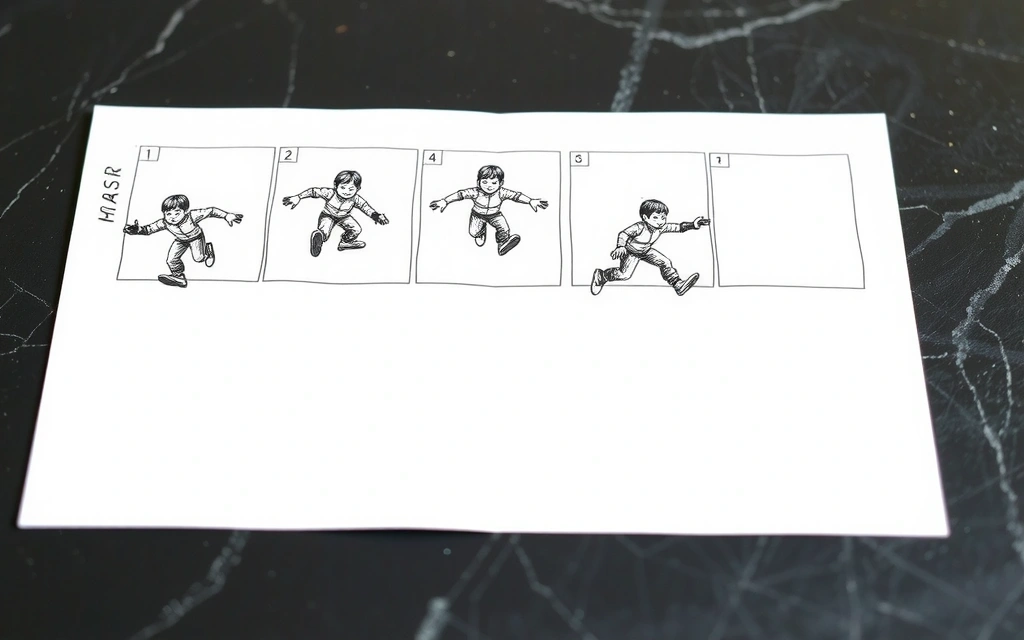
Team Ritual
"Motion Mondays": Weekly deconstruction of a film/game sequence, unrelated to client work. Keeps the creative vocabulary alive.
Initiate a Motion Study
A no-strings-attached audit to see where your motion language can be refined.
The Offer
A complimentary 2-hour video walkthrough of your current UI or trailer. We annotate: what works, what's "fatiguing," and 3 actionable improvements, prioritized by impact vs. effort.
What We Need
- • Link to live product OR short gameplay video
- • No briefs, no decks, no calls upfront
Outcome
- • 3-5 concrete motion improvements
- • Estimated impact (High/Med/Low)
- • Notes on accessibility
"If your onboarding feels sluggish, we'll identify which specific animations are causing cognitive drag and propose a tighter sequence that respects the user's attention."
The audit is a conversation starter. If our insights resonate, we can scope a full project.